
A Facebook friend just shared a post with an excellent list of Christian doctrines that were invented by churches.
Here’s my commentary with additional context on the list, plus one very important item that they missed.
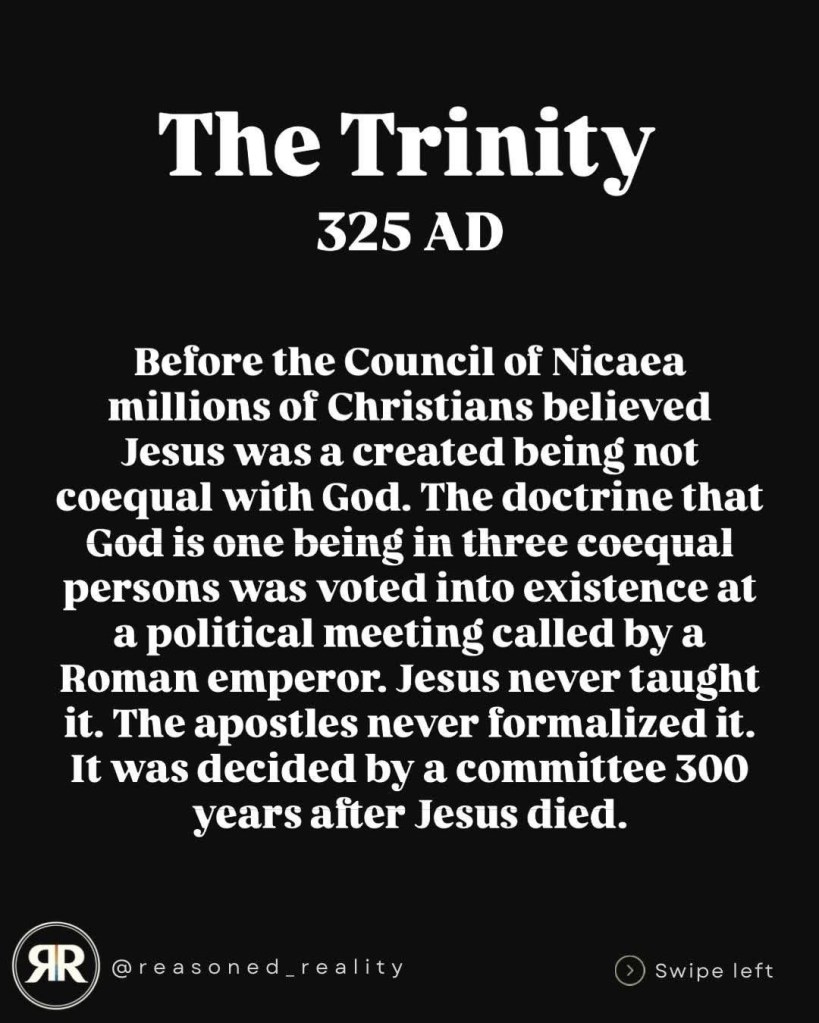
I don’t think there were millions of Christians before the Council of Nicaea but otherwise this is true.
And the exact doctrine of the nature of Christ was not formalized until the council of Chalcedon. Several churches dissented, including the Nestorians.
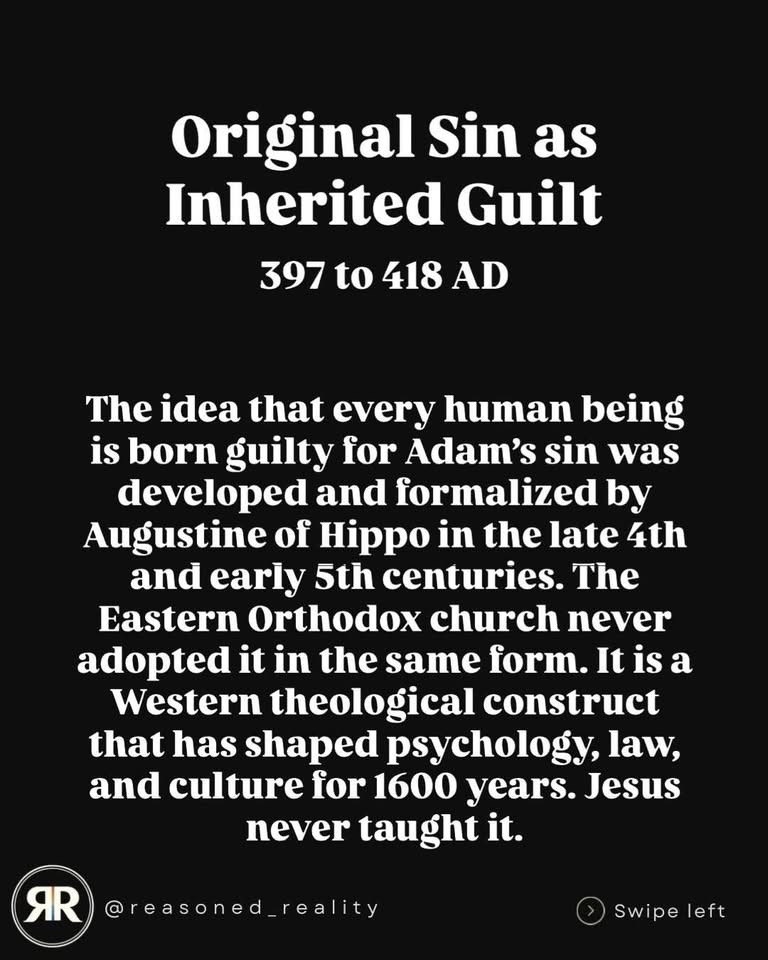
Yes, and in Eastern Orthodox Christianity, sin (hamartia) means “missing the mark”, whereas the etymology of the word sin appears to be related to the word “to be”. Interestingly hamartia in Ancient Greek was the tragic flaw of the protagonist in a tragedy that led to the disastrous ending of the story.
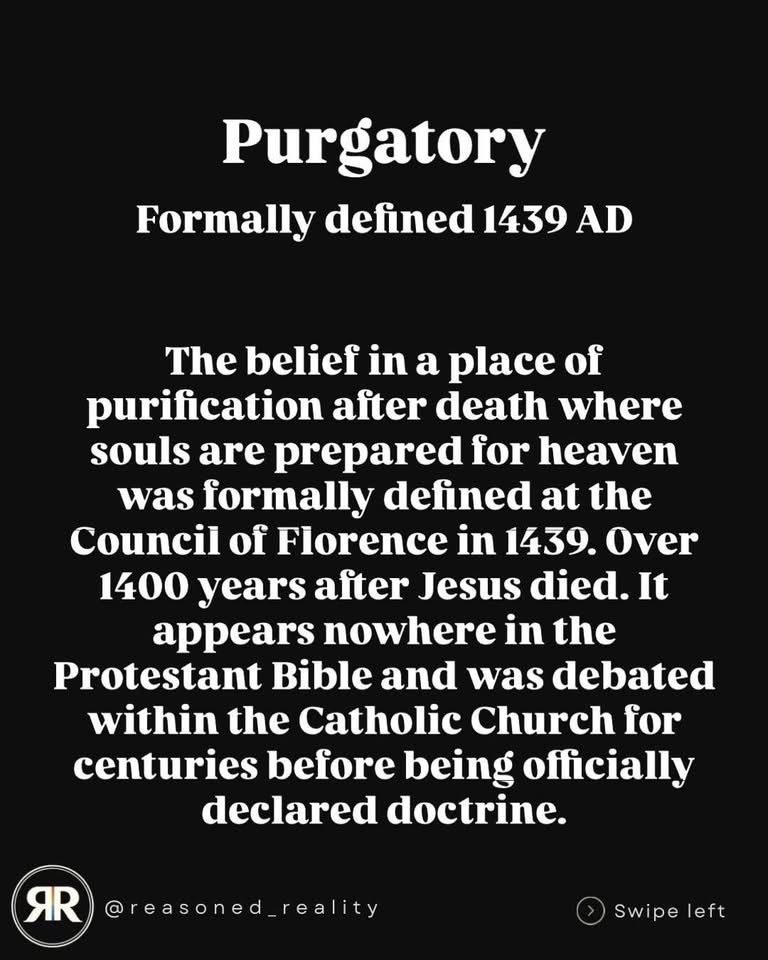
It’s also a distortion of Eastern Orthodox Church teachings:
Some Orthodox Christians believe the following: everyone goes to the presence of God when they die, but those who have been turned towards the Divine in life experience God’s presence as a joyful light, and others experience it as fire and darkness, because of their own impurity. The people who experience it as fire and darkness will eventually be purged of their sinful nature, and experience the divine presence as light (this is the origin of the doctrine of purgatory). Because of the belief that the dead can change, this is why Orthodox Christians pray for the dead. This view is sometimes called apocatastasis. (See my post Theological questions for more on this.)
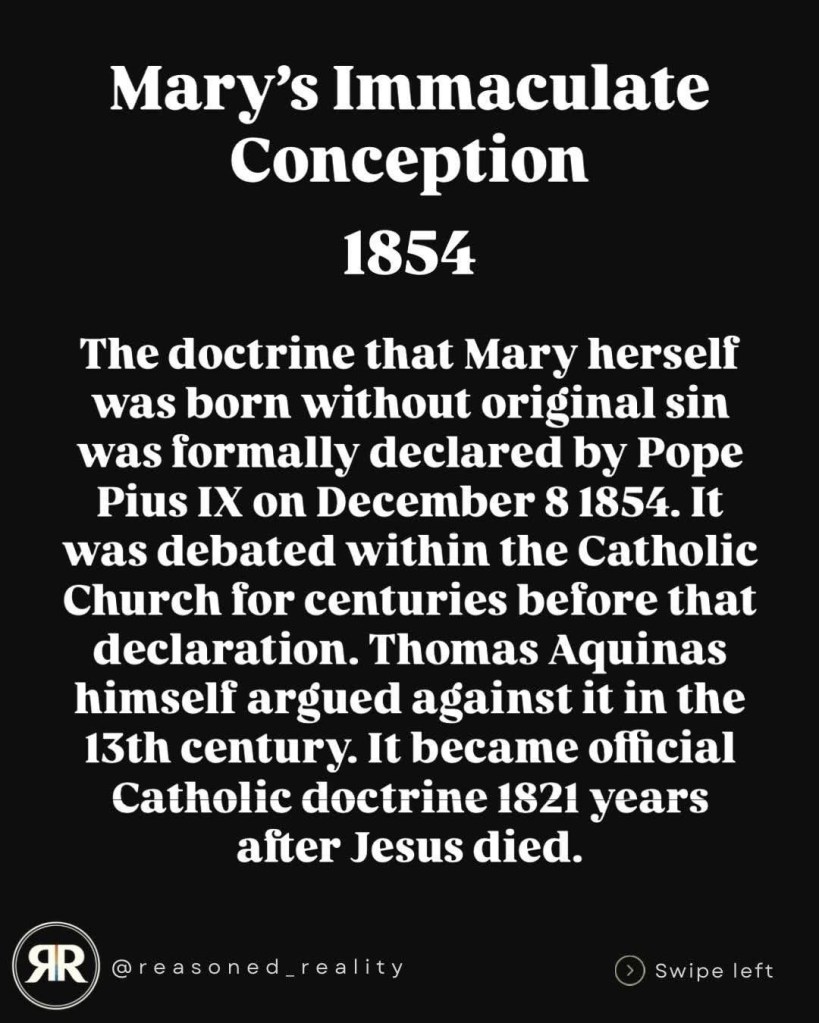
Once you’ve bought into the notion of original sin, you’re going to invent more stuff to back it up, I guess.
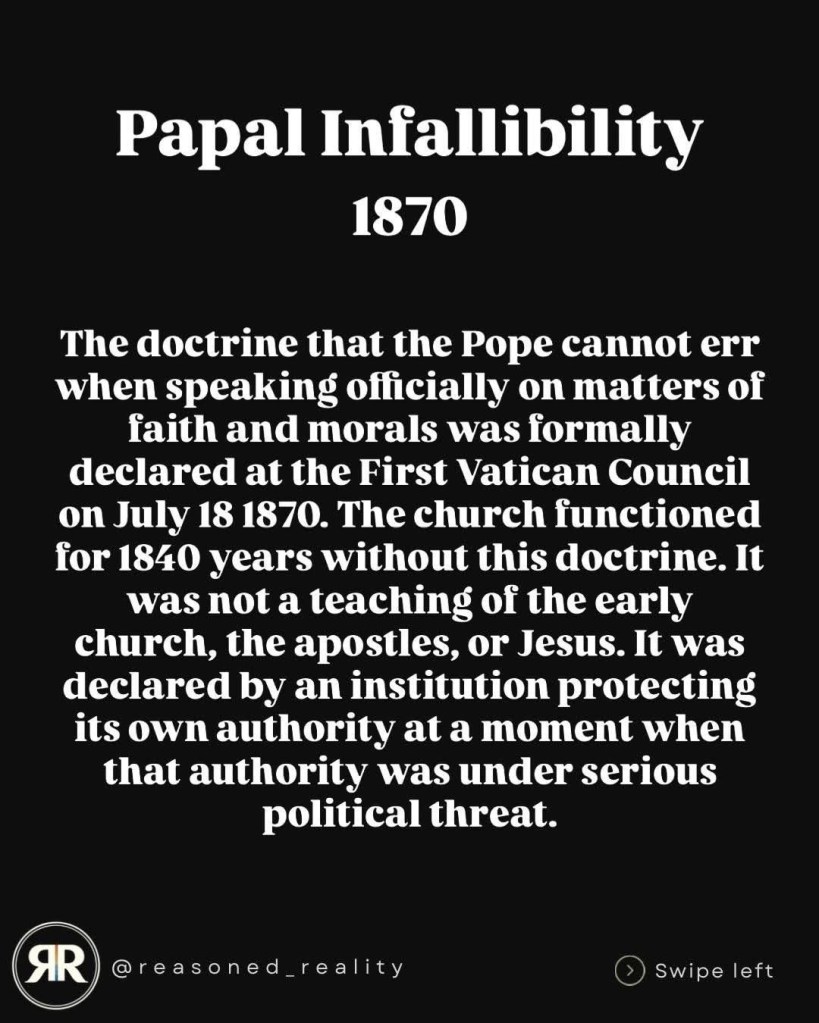
Yes and the Old Catholic Church split from the mainstream Catholic Church over this issue.
The Old Catholic Church is pretty liberal, I think. I used to get comments on my old blog from a member of it, who was very Pagan-friendly.
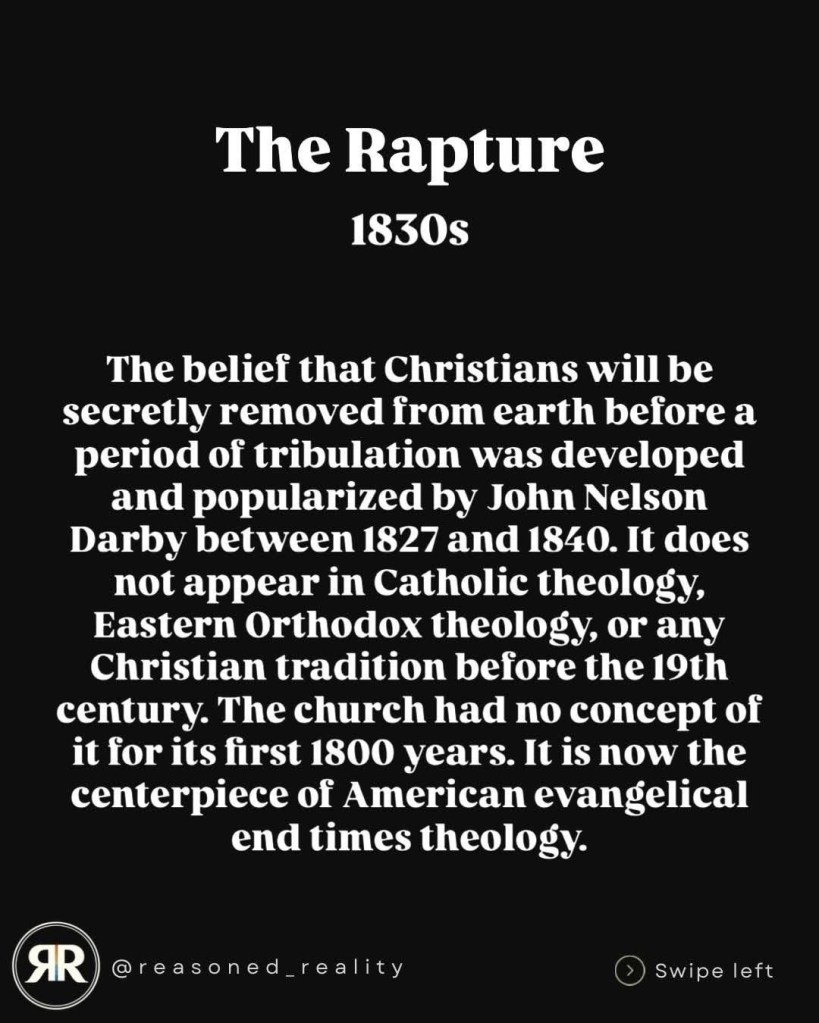
Yes and JN Darby was the founder of the Plymouth Brethren — a notorious cult which both Aleister Crowley and I had the misfortune to grow up in, though Crowley grew up in the slightly less exclusive branch of it than I did. (I think I’m less fucked-up than him though…)
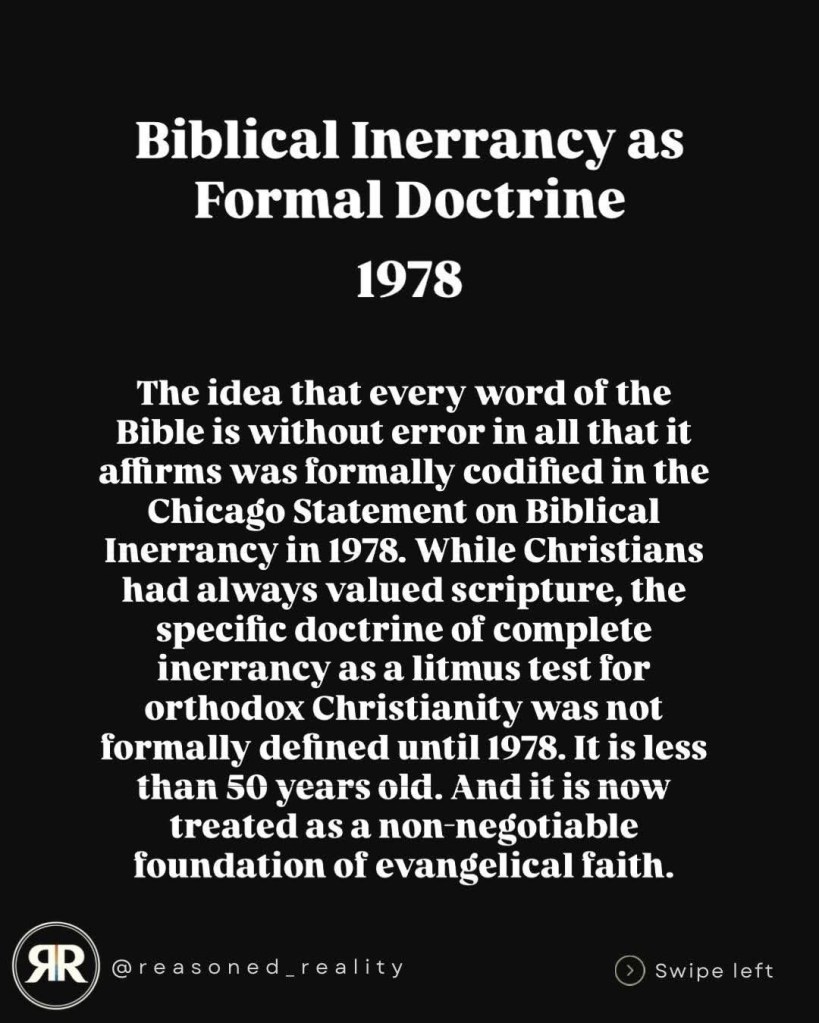
Note that it was just evangelicals who decided this. Other churches didn’t.
The one thing they missed
The English translation of the Bible was changed to explicitly and incorrectly mention homosexuality in 1946.
How a Bible Error Changed History and Turned Gays Into Pariahs — The Advocate
… the actual word “homosexual” appears for the first time on February 11, 1946 in the Revised Standard Version. In it, their translation of 1 Corinthians 6:9, they substitute the word “homosexual” for the the Greek words “malakoi” and “arsenokoitai.”
… “…we went to Leviticus 18:22 and [the translator is] translating it for me word for word. In the English where it says, ‘Man shall not lie with man, for it is an abomination,’ the German version says, ‘Man shall not lie with young boys as he does with a woman, for it is an abomination.’ I said, ‘What?! Are you sure?’ He said, ‘Yes!” Then we went to Leviticus 20:13– same thing, ‘Young boys.’ So we went to 1 Corinthians to see how they translated arsenokoitai (original Greek word) and instead of homosexuals it said, ‘Boy molesters will not inherit the kingdom of God.’”
Conclusions
Any atheists reading this are probably shrugging and saying, so what, it’s all made up anyway. Yes, but it matters how they arrived at some of these doctrines that have been used to frighten people. Deconstructing means breaking down all the harmful ideas and clearing them away, and showing how and why they were invented is an important step in this process.




 Changing Paths
Leave a comment