
Resources
Useful resources for getting help.
-
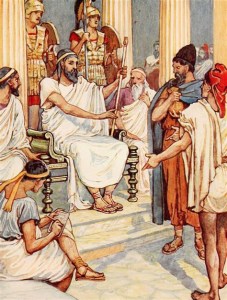
An alternative “10 commandments”
The “Ten Commandments” of Solon (as recorded in Diogenes Laertius’ “Lives of Eminent Philosophers”, 1.60), are as follows: Hat-tip to Richard Carrier, from whom I learned about this list of “commandments”. Art: “Solon the Wise Lawgiver of Athens” by Walter Crane
-
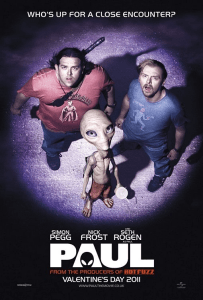
Paul (2011)
One of my favourite movies — it’s nerdy, it’s cute, it’s hilarious and a fundamentalist Christian gets exposed to the vastness of the universe and learns to swear.
-

Emotional vocabulary
Your emotional vocabulary matters! A better emotional vocabulary — all by itself — can help you develop better emotional skills! Researchers are finding that a better emotional vocabulary can help you identify, work with, and regulate your emotions. A rich vocabulary helps you understand yourself and the world around you, and it helps you understand…
-

Smash that Protestant lens
Great piece from John Beckett this morning which covers some really good points about how to write about different religions, why the word “religion” should not be used as a synonym for Christianity, and how not all religions fit the “Protestant lens” (the way people tend to use the Protestant paradigm as a way to…
-
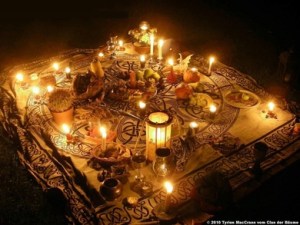
Ritual
Changing Paths challenge 6 — ritual Candle flames flickering, incense smoke curling in the twilight, standing in a circle of firelight, chanting sacred words. Deep in the woods where everything is transformed by the moonlight. Where the warm summer rain falls softly on the leaves. The atmosphere of ritual is like no other: electrifying, life-enhancing,…
-

Patron deities
The concept of patron deities in polytheism caused me a lot of trouble back in the day. I was on a polytheist mailing list and it seemed like everyone on the list had a patron deity who had approached them personally. They were also adamant that the deity approached them and not the other way…
-

Theological questions
Readers of Changing Paths may wonder why I chose not to address theological questions like the existence of God, what happens in the afterlife, and related questions. The first part of the book is aimed at people seeking to leave a variety of high-control traditions, which could be anything including fundamentalist Christianity, fundamentalist Islam, high-control…
-
Exvangelical podcasts
There’s a huge variety of exvangelical podcasts helping people deconstruct from toxic churches. Check out this list to discover some helpful ones.
-

De-baptism
There’s been a discussion on the internet recently about de-baptism. Here’s an excellent article about it from John Beckett over at Patheos: Debaptism: You Probably Don’t Need It, But It Can Be Done …you can’t unpour water. The baptism happened and we can’t pretend it didn’t.But we can reverse its effects. John Beckett Further thoughts…
-
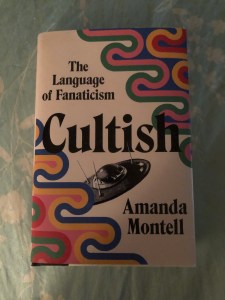
Review: Cultish
This book is an excellent overview of the languages of cults, and what attracts people to them.




 Changing Paths