
survivors
-

Be like Cathy
When I was 14 or 15 years old and still a Christian, a boy who was older than me (17, I think) told me that God wanted me to be his girlfriend. I didn’t reciprocate but I was worried enough about it that I asked an older female friend, Cathy, what she thought. Luckily for…
-

A disturbing history
This is a very disturbing read about institutional abuse by crypto Nazis and very conservative Catholics in Austria in the late 1940s to the late 1980s. Very similar to the treatment of Indigenous children in residential schools, and of Irish single mothers in Magdalen Laundries. What does this kind of history tell us? That “respectable”…
-

LGBTQ+ religious trauma
Religious trauma still haunts millions of LGBTQ Americans. Some mental health experts are advocating for religious trauma to be considered an official disorder in the Diagnostic and Statistical Manual of Mental Disorders. Religious trauma occurs when an individual’s religious upbringing has lasting adverse effects on their physical, mental or emotional well-being, according to the Religious…
-
Religious trauma workbook
I’m excited to see that Gillian Jenkinson’s book is out! Gillian Jenkinson is a therapist with extensive experience in helping people break free of harmful beliefs dinned into them by cults. I quoted her work in Changing Paths (my book) and I’ve been looking forward to her book coming out. It’s also very reasonably priced,…
-
The exclusive Plymouth Brethren
This blog post was originally written in 2006 and posted on my old blog Nemeton. Some friends had asked why I tended to make statements about the awfulness of Christianity. Don’t be fooled by the cranky exterior of the Exclusive Brethren. They’re the religious equivalent of Vogons. I know because I was brought up in…
-
Anger is valid
I said that anger is valid because it helps to propel us out of dangerous and abusive situations in Changing Paths (the book). I love that Jo Luehmann has talked about the neurological aspects of processing your anger in this post, and most importantly talking about it—absolutely brilliant. I think that if you turn anger…
-

Blogging/photo challenge
The Changing Paths challenge for May 2023. Feel free to skip a day or post something different from the topic of the day, but if you do the whole thing, I think you’ll arrive at a new perspective on your path.
-
I’d rather be “left behind”
There’s a good article in The Guardian today about the nasty psychological effects of being exposed to constant propaganda about the rapture and being “left behind”. Trigger warning if you’ve been exposed to that kind of bad theology. Thankfully I left the evangelical nonsense before the trend for making these movies happened.
-
Leaving the Mormons
An in-depth resource on leaving the Mormons: Recovering Agency: Lifting the veil of Mormon mind control. Luna Lindsey Corbden was born into the LDS Church and left the faith in 2001, at age 26. They live in Washington State and write about topics of interest, including psychology, mind control, culture, and autism. They also write…
-
Escape from Scientology
TW: Scientology, religious trauma. ‘At 52, I abandoned everything, every friend, every family member’: the top official who escaped Scientology (The Guardian) When he was certain that he wasn’t being followed, he caught the tube to the National Portrait Gallery, where he sat on the grass outside and let his heart rate slow to its…
-
Orange Shirt Day
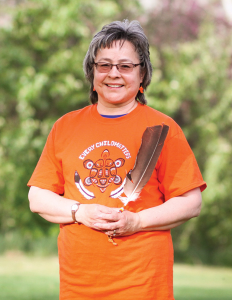
Today is Orange Shirt Day, the day for remembering Indigenous children who died in residential schools and honouring the survivors. It was organized by grassroots Indigenous activists for many years before it was officially adopted as the National Day for Truth and Reconciliation. Continue reading at Dowsing for Divinity →
 Changing Paths